
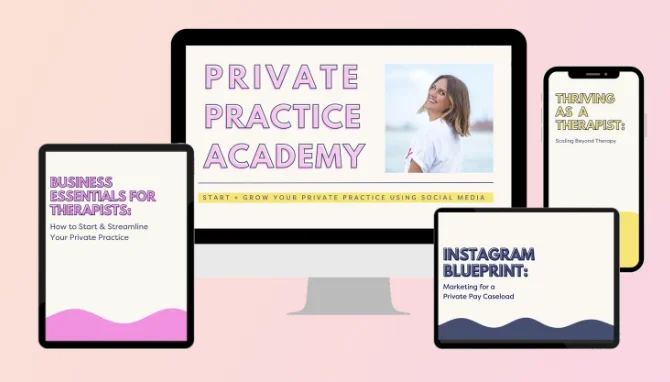
Kelly McKenna – Private Practice Academy Bundle
$1,397.00 Original price was: $1,397.00.$110.00Current price is: $110.00.
- 24/7 Contact Support & Telegram - Ecomkevin_1
- You Can Request Any Courses
- Original Courses HD Qualite and links updated
Guaranteed Safe Checkout


Description
Kelly McKenna – Private Practice Academy Bundle: Complete Course Overview and Review
Introduction
Building a successful private practice requires more than professional knowledge. It also involves planning, organization, client communication, and business development. For professionals who want to establish or improve their private practice, finding the right educational resources can be an important first step.
Kelly McKenna – Private Practice Academy Bundle is a course-related resource for people interested in private practice development. It may be relevant to professionals who want to explore the business side of their work, understand the responsibilities of running a practice, and develop a more structured approach to their professional goals.
Starting a private practice can feel overwhelming at first. There are many decisions to make, from defining your services to managing daily operations. Therefore, learning about the business fundamentals of private practice can help you identify important areas that deserve your attention.
This product description explores the general learning considerations associated with private practice education, its potential benefits, and the professionals who may find this type of resource useful.
What Is the Private Practice Academy Bundle?
The Private Practice Academy Bundle is presented as a learning resource associated with Kelly McKenna. Its title suggests a focus on private practice education and professional development.
Private practice involves several responsibilities beyond delivering a professional service. Practitioners must also consider business planning, client relationships, administrative processes, financial organization, and sustainable working practices.
For that reason, education focused on private practice can be valuable for professionals who want to understand how these responsibilities fit together.
However, the specific curriculum, included materials, lesson structure, and additional resources available in this bundle should be reviewed before purchasing. This helps ensure that the product matches your professional needs and expectations.
Rather than relying on assumptions, prospective learners should evaluate the available course information and determine whether its content supports their current stage of practice development.
Understanding the Business Side of Private Practice
Many professionals develop strong technical skills through formal education and practical experience. However, operating an independent practice introduces a different set of responsibilities.
For example, practitioners may need to think about how they present their services, organize appointments, communicate with clients, and maintain consistent administrative procedures.
These responsibilities can become challenging when there is no established business structure. As a result, understanding basic business principles can help professionals approach practice development more systematically.
1. Developing a Clear Professional Direction
Before establishing a private practice, it is useful to identify the services you want to provide and the people you intend to serve.
A clear professional direction can guide decisions about service offerings, communication, scheduling, and future development.
Additionally, understanding your professional strengths can help you identify areas that may require further education or practical experience.
2. Understanding Client Communication
Client communication plays an important role in professional services. Clear explanations, appropriate expectations, and consistent communication practices can help create a more organized client experience.
Depending on the profession, practitioners may also need to understand confidentiality requirements, informed consent, recordkeeping, and relevant professional standards.
Therefore, learning about client-facing responsibilities can form an important part of preparing for independent practice.
3. Organizing Daily Operations
Running a private practice often involves several recurring tasks. These may include appointment scheduling, managing records, responding to inquiries, and handling administrative responsibilities.
Without an organized process, these tasks can become difficult to manage.
A structured approach can help practitioners understand which activities require regular attention. Moreover, reviewing existing processes can reveal opportunities to simplify routine work.
What Can Learners Expect to Learn?
The exact lessons included in Kelly McKenna – Private Practice Academy Bundle should be confirmed through the official product information. However, professionals exploring private practice education can use several learning areas to evaluate whether a course meets their needs.
Private Practice Foundations
Understanding the foundations of private practice can help professionals identify the responsibilities involved in independent work.
This includes considering professional goals, service delivery, operational requirements, and the differences between working independently and working within an established organization.
Consequently, learners can develop a clearer picture of the decisions involved in practice development.
Business Planning and Preparation
Business planning involves thinking about how a practice will operate over time.
Relevant considerations may include identifying the intended audience, defining services, reviewing expenses, and understanding the resources required to operate responsibly.
Although individual requirements vary, careful planning can help practitioners recognize potential challenges before making major commitments.
Client Experience and Professional Relationships
A private practice depends on effective professional relationships. Clear communication, reliable processes, and appropriate boundaries all contribute to the overall experience.
Learning about these areas can help practitioners consider how they interact with clients throughout the professional relationship.
Furthermore, reviewing communication practices can reveal areas where clearer explanations or more consistent procedures may be useful.
Administrative Organization
Administrative work is an essential part of many independent practices.
Depending on the profession, this may involve appointment management, documentation, payment procedures, record organization, and routine business communication.
Developing consistent administrative habits can reduce confusion and support more predictable daily operations.
However, the specific procedures required will depend on professional regulations and the services being provided.
Long-Term Practice Development
Establishing a practice is only one stage of professional development. Maintaining it also requires regular evaluation and adjustment.
Practitioners may need to review their workload, operating expenses, client communication, and business priorities as their circumstances change.
Therefore, understanding the broader responsibilities of independent work can support more informed planning over time.
These topics are general considerations for private practice education, not a confirmed list of modules included in this particular bundle.
Who Is the Private Practice Academy Bundle Suitable For?
The relevance of this educational resource depends on its actual curriculum and your professional goals. Nevertheless, people exploring private practice training may include several groups.
Professionals Considering Independent Work
Professionals who are thinking about leaving an employed position may want to understand the responsibilities involved in operating independently.
Learning about business planning and administration can help them identify the questions they need to answer before making that transition.
New Private Practice Owners
People who have recently established a practice may be looking for ways to organize their responsibilities.
They may benefit from reviewing their existing systems, identifying operational gaps, and clarifying their priorities.
Before purchasing this bundle, however, they should verify that its actual content addresses their particular challenges.
Established Practitioners Seeking Structure
Professionals who already operate a private practice may want to reassess their business processes.
For example, they might be reviewing their scheduling procedures, communication practices, administrative workload, or longer-term plans.
Educational resources can provide a starting point for this review, provided their content is relevant to the practitioner’s circumstances.
Professionals Exploring Business Education
Some practitioners have extensive experience delivering their services but limited experience managing an independent business.
They may be interested in learning more about the organizational and commercial responsibilities associated with private practice.
Even so, any course should be evaluated according to its specific content, level of detail, and relevance to the learner’s professional field.
Key Benefits of Private Practice Education
Private practice education can offer several potential advantages when the material is accurate, relevant, and applied appropriately.
A More Structured Approach
Running a business involves many interconnected responsibilities. Educational material can help practitioners organize their thinking and identify the areas that need attention.
As a result, planning may become more manageable.
Better Awareness of Business Responsibilities
Professional expertise does not automatically cover every aspect of business ownership.
Learning about operational planning, administration, and client communication can help practitioners recognize responsibilities that might otherwise receive less attention.
Support for Professional Planning
Independent practice involves decisions about time, resources, services, and professional priorities.
A structured learning process can help practitioners examine these decisions more carefully before committing to a particular approach.
Opportunities for Reflection
Education can encourage practitioners to evaluate their current systems and identify potential areas for improvement.
For instance, reviewing scheduling or communication procedures may highlight practical changes worth considering.
Nevertheless, the value of these benefits depends on the quality and relevance of the actual learning materials.
What to Consider Before Purchasing
Before purchasing Kelly McKenna – Private Practice Academy Bundle, take time to review the available product details.
First, confirm the exact contents of the bundle. Check which lessons, resources, and supporting materials are included.
Next, consider whether the material is appropriate for your professional background. Private practice requirements differ between industries, so general business advice may not address every specialized need.
It is also useful to understand the delivery format, access conditions, and any applicable purchasing terms.
Additionally, check whether the course addresses the challenges you currently face. Someone preparing to launch a practice may need different information from an established practitioner who wants to improve existing operations.
Finally, consider how you plan to apply what you learn. Identifying a few practical goals before beginning a course can make the learning process more focused.
How to Make the Most of a Private Practice Course
The value of educational material often depends on how carefully it is reviewed and applied.
Start by identifying your main objective. For example, you may want to understand business planning, improve administrative organization, or explore the responsibilities of independent professional work.
Then, review the available lessons in a structured manner. Take notes on the concepts that relate directly to your goals.
Where appropriate, compare those concepts with your current processes. This can help you identify practical questions and areas that deserve further investigation.
However, avoid making major business decisions based on a single educational resource. Professional requirements, legal obligations, financial circumstances, and client needs can vary considerably.
Instead, use relevant educational material alongside appropriate professional guidance and reliable industry information.
Over time, regularly reviewing your progress can help you determine which ideas are useful and which require further consideration.
Frequently Asked Questions
What is Kelly McKenna – Private Practice Academy Bundle?
Kelly McKenna – Private Practice Academy Bundle is a course-related product associated with private practice education. Prospective buyers should consult the available product details to confirm its curriculum, format, and included resources.
Who should consider this bundle?
It may be relevant to professionals interested in establishing, operating, or developing a private practice. However, suitability depends on the actual course content and the learner’s professional background.
What topics does the bundle cover?
The exact modules and lessons have not been independently confirmed here. Review the official product description to identify the specific subjects, training materials, and resources included.
Is this course suitable for beginners?
Its suitability for beginners depends on the level of instruction and the assumed knowledge. Before purchasing, check whether the material is designed for newcomers, experienced practitioners, or both.
Can established professionals benefit from private practice training?
Established professionals may find practice-related education useful when reviewing their business processes or planning future development. The practical value depends on how closely the material matches their needs.
Does the bundle guarantee business growth?
No particular financial outcome or business result should be assumed. Results depend on many factors, including professional experience, market conditions, implementation, and individual circumstances.
What should I check before purchasing?
Review the curriculum, included resources, delivery format, access terms, refund policy, and any other available purchasing information. This helps you make an informed decision.
How can I apply what I learn?
Begin by identifying a specific professional goal. Then, review relevant material, assess your current processes, and determine which ideas can be applied appropriately to your situation.
Final Thoughts
Kelly McKenna – Private Practice Academy Bundle may be worth exploring for professionals interested in private practice education and the business responsibilities associated with independent work.
Building a practice requires more than professional expertise. It also involves planning, communication, administration, and ongoing evaluation. Understanding these responsibilities can help practitioners approach their professional goals with greater clarity.
Before purchasing, carefully review the actual curriculum and included resources. Make sure the material matches your experience level and addresses the challenges you want to solve.
Ultimately, the value of any educational resource depends on its relevance, accuracy, and practical application. By evaluating the available information and setting clear learning objectives, you can make a more informed decision about whether this bundle fits your professional development plans.
Reviews
There are no reviews yet.