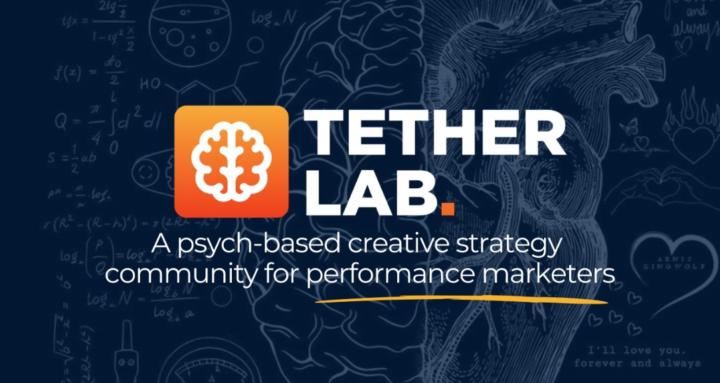
Sarah Levinger – Tether Lab (October 2026)
$197.00 Original price was: $197.00.$35.00Current price is: $35.00.
- 24/7 Contact Support & Telegram - Ecomkevin_1
- You Can Request Any Courses
- Original Courses HD Qualite and links updated
Guaranteed Safe Checkout

Description
Sarah Levinger – Tether Lab: Course Overview and Review
Introduction
Understanding customer behavior is an important part of building a successful business. People make purchasing decisions for many reasons. Their needs, emotions, experiences, and perceptions can all influence the choices they make. Therefore, businesses need more than a good product. They also need to understand the people they serve.
Sarah Levinger – Tether Lab is a course-related offering that prospective buyers may be researching to learn more about Sarah Levinger and the program associated with this name. However, detailed information about its curriculum, teaching methods, and included resources has not been independently verified for this description.
If you are considering Tether Lab, it is important to review the available course information before making a decision. You should understand its purpose, identify your learning goals, and confirm what the program actually includes.
This product description explores the broader value of customer understanding, business strategy, and audience research. It also explains who may find related educational resources useful and what to consider before purchasing.
Course Overview
Every business depends on understanding the people it serves. Customers have different priorities, expectations, and reasons for choosing one product over another. Consequently, businesses must pay attention to more than product features or promotional messages.
Customer research can help identify these differences. It allows businesses to examine purchasing behavior, recognize common challenges, and develop a clearer picture of their target audience.
Depending on its confirmed subject matter, an educational program can help learners explore these concepts and consider how they apply to real business situations.
Sarah Levinger – Tether Lab is the product name prospective learners may be searching for. However, the exact focus of the program, its modules, and its delivery format should be confirmed through the official product information.
Rather than assume specific course features, buyers should evaluate the program based on its published curriculum and stated learning objectives.
Why Understanding Your Audience Matters
A business can offer a useful product and still struggle to attract customers. One possible reason is that its messaging does not address the audience’s actual needs.
For example, a company might focus its marketing on technical features. However, potential buyers may care more about convenience, reliability, or solving a particular problem.
Understanding this difference can help businesses communicate more effectively.
First, audience research helps identify the problems customers want to solve. Next, it provides context for understanding their preferences and expectations. Finally, these insights can inform product positioning and marketing decisions.
Nevertheless, customer behavior is not always predictable. Research provides useful evidence, but it cannot guarantee that every campaign or business decision will succeed.
For entrepreneurs and marketers, the goal is to make better-informed decisions rather than rely entirely on assumptions.
What Learners Can Expect to Explore
The verified curriculum for Sarah Levinger – Tether Lab is not available in the information used to prepare this description. Therefore, the following sections explain relevant business concepts rather than claim to list the program’s actual lessons.
1. Understanding Customer Needs
Customer needs are the problems, preferences, or desired outcomes that influence purchasing decisions.
A business must understand these needs before it can communicate its value clearly. Otherwise, its marketing may focus on features that customers do not consider important.
Customer interviews, surveys, reviews, and direct feedback can provide useful information. In addition, observing how people use a product may reveal problems they struggle to explain.
These insights can help businesses improve their messaging and product decisions.
2. Identifying Your Target Audience
A target audience is the group of people a business aims to reach with its products or services.
Defining this audience requires more than choosing a broad demographic category. Businesses should also consider customer motivations, challenges, preferences, and purchasing behavior.
For instance, two people of the same age may have very different reasons for buying a product. One may prioritize price, while the other values convenience or long-term reliability.
Therefore, audience research should focus on meaningful differences in customer needs.
A clearer understanding of the audience can also help businesses decide which messages deserve attention.
3. Exploring Customer Motivation
People do not always purchase products for the reasons businesses expect. Their decisions may involve practical needs, emotional preferences, social influences, or previous experiences.
Understanding these motivations can help businesses explain their products more clearly.
For example, a customer purchasing a productivity tool may want to save time. Another customer may value having a more organized workflow.
Although both customers purchase the same type of product, their priorities differ. As a result, they may respond to different messages.
Businesses can use customer research to identify these patterns. However, they should avoid treating assumptions about customer motivation as established facts.
4. Developing Clear Brand Messaging
Brand messaging explains what a business offers, whom it serves, and why its product may be relevant.
Effective messaging connects product features with customer needs. It also communicates value without relying on exaggerated claims.
For example, a business selling project management software might explain how its features help teams organize tasks. This is more informative than simply describing the software as revolutionary.
Clear messaging can make a product easier to understand. Moreover, consistent communication helps customers develop realistic expectations.
Businesses should regularly review their messaging to ensure it reflects the actual product and customer experience.
5. Researching the Market
Market research helps businesses understand the environment in which they operate.
It may involve examining competitors, customer feedback, industry developments, and existing alternatives. This information can reveal gaps in the market or areas where customers remain dissatisfied.
However, research should be interpreted carefully. A popular trend does not automatically represent a suitable opportunity for every business.
Instead, entrepreneurs should compare market information with their own resources, experience, and objectives.
A structured research process can reduce uncertainty. It can also help businesses identify questions that require further investigation.
6. Applying Insights to Business Decisions
Research becomes useful when it informs practical decisions.
For example, customer feedback might reveal that a product is difficult to use. A business could respond by improving its instructions or simplifying its interface.
Similarly, marketing research might indicate that customers misunderstand a product’s main benefit. The business could then revise its messaging.
These decisions should be evaluated through observation and testing. If a change does not improve the intended outcome, further adjustments may be necessary.
This approach encourages continuous learning instead of relying on a single assumption.
Again, these topics describe the broader field of customer research and business strategy. They are not a confirmed syllabus for Tether Lab.
Who May Find This Type of Learning Useful?
Entrepreneurs and Business Owners
Entrepreneurs must make decisions about products, customers, positioning, and marketing. A stronger understanding of customer behavior can help them evaluate these decisions more carefully.
For example, business owners may use customer feedback to identify confusing product descriptions or unmet needs.
However, the relevance of Tether Lab depends on its actual curriculum and how closely it matches these interests.
Marketing Professionals
Marketing professionals often need to understand what motivates potential buyers. Customer research can help them develop more relevant campaigns and communicate product value clearly.
It can also help them evaluate whether their messages reflect the audience’s priorities.
Professionals should check the program’s confirmed content before deciding whether it meets their learning needs.
Freelancers and Consultants
Freelancers and consultants frequently need to understand a client’s business and target market.
Better audience research can support clearer recommendations and more informed project decisions. It may also help professionals explain why particular marketing approaches are suitable.
Nevertheless, practical value depends on the quality of the learning material and how it is applied.
Content Creators and Digital Marketers
Content creators need to understand what their audiences want to learn, solve, or discover.
Audience insights can inform content topics, messaging, and the overall direction of a digital brand.
For example, customer questions may reveal subjects that deserve more detailed explanations.
This information can help creators develop more useful content. However, it does not guarantee higher engagement, increased traffic, or additional sales.
Learners Exploring Business Strategy
People interested in marketing, customer psychology, and business development may want to explore educational resources in these areas.
Before purchasing Sarah Levinger – Tether Lab, they should confirm the program’s intended audience and actual learning objectives.
Key Benefits of Understanding Customer Behavior
Learning about customers and business strategy can offer several potential advantages.
Clearer communication: Understanding customer priorities can help businesses explain their products more effectively.
Better audience research: Structured research encourages businesses to examine customer needs rather than rely entirely on assumptions.
More informed decisions: Combining customer feedback with market information can support stronger business planning.
Improved product positioning: Understanding what customers value can help businesses communicate relevant product benefits.
More useful marketing: Audience insights can guide content, advertising messages, and other forms of communication.
Stronger customer relationships: Listening to customer concerns can help businesses identify problems and improve the overall experience.
Continuous improvement: Reviewing feedback and evaluating results encourages businesses to adjust their approach when necessary.
These are potential benefits of studying customer research and business strategy. They should not be interpreted as guaranteed outcomes of purchasing Tether Lab.
What to Check Before Purchasing Tether Lab
Before purchasing Sarah Levinger – Tether Lab, take time to review the current product listing.
Review the Course Curriculum
Check the actual topics and learning objectives. Make sure they align with the knowledge or skills you want to develop.
Do not rely solely on the product title to determine what the program teaches.
Confirm the Teaching Format
Find out whether the course uses recorded lessons, live instruction, written materials, or another format.
The delivery method can affect how well the program fits your schedule and learning preferences.
Check Included Resources
Review whether the purchase includes supplementary materials, practical exercises, community access, or other resources.
These features should be confirmed rather than assumed.
Verify Pricing and Access
Check the current price, payment conditions, access period, and refund policy.
These details can affect the overall value of the purchase. Therefore, review them before completing your order.
Compare the Program With Your Goals
Consider what you want to achieve through the course. Then compare those objectives with the verified curriculum.
If the program addresses your needs at an appropriate level, it may be worth considering. Otherwise, another educational resource may be more suitable.
Is Sarah Levinger – Tether Lab Worth Considering?
Whether Tether Lab is worth purchasing depends on the program’s actual content, quality, and relevance to your goals.
If you are interested in customer research, audience understanding, or business strategy, these subjects can be valuable areas of study.
However, the title alone does not establish the program’s specific focus. Buyers should review the official course description to understand what is taught.
It is also useful to compare the program with alternative learning resources. Consider the depth of instruction, practical relevance, and available information about the curriculum.
Avoid making a purchasing decision based solely on promotional language. Instead, focus on verifiable details and your own learning priorities.
This approach helps you choose an educational resource with realistic expectations.
Frequently Asked Questions
What is Sarah Levinger – Tether Lab?
Sarah Levinger – Tether Lab is the name of a course-related offering that prospective buyers may be researching. Its exact subject matter and included content should be confirmed through the provider’s current product description.
What does Tether Lab teach?
The confirmed curriculum has not been independently verified for this description. Review the official syllabus to determine which topics the program covers.
Who should consider Tether Lab?
Its suitability depends on the program’s actual learning objectives. People researching business, marketing, or related subjects should first confirm that the course addresses their interests.
Does the course include practical exercises?
The availability of exercises or projects has not been confirmed. Check the current course listing for details about any practical components.
Are additional resources or bonuses included?
No specific bonuses or supplementary resources have been verified. Refer to the official product information for a complete list of included materials.
Is Tether Lab suitable for beginners?
The course’s intended experience level has not been confirmed. Review the curriculum and prerequisites before deciding whether it is appropriate for your current knowledge.
Will completing the course guarantee business growth?
No business outcome should be guaranteed. Results depend on many factors, including the quality of the material, the learner’s experience, and how the knowledge is applied.
How can I decide whether to purchase the course?
Start by reviewing the syllabus, teaching format, price, and access conditions. Then compare the available information with your learning goals and budget.
Final Thoughts
Sarah Levinger – Tether Lab may interest people who are researching this educational offering and want to understand whether it fits their professional goals.
More broadly, customer research and business strategy can help entrepreneurs and marketers make informed decisions. These disciplines encourage people to understand their audiences, communicate value clearly, and respond to changing needs.
However, choosing the right educational resource requires accurate information. Before purchasing Tether Lab, verify its curriculum, included materials, and access conditions.
Ultimately, the best course is one that matches your objectives and provides relevant learning opportunities. By reviewing the available details carefully, you can make a more confident and informed purchasing decision.
Reviews
There are no reviews yet.